



Panama Includes Ecuador in the List of Friendly Nations
11/09/2026
New Qualified Investor Residency Decree in Panama
17/09/2026
Combining Legal Structures for Cross-Border Succession
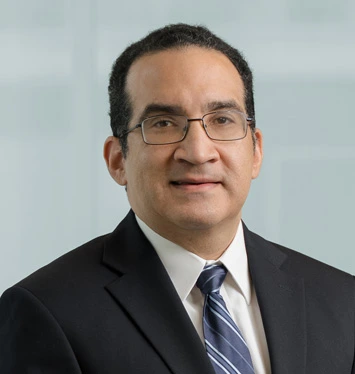
Insights based on a Multilaw webinar presented by Alexis V. Herrera Jr.
For internationally mobile families, succession planning is rarely about selecting a single legal structure. The challenge is to balance ownership, control, income, governance and succession across generations, often while assets and family members are spread across several jurisdictions.
In a recent Multilaw webinar, Alexis Herrera Jr. examined the range of legal vehicles available under Panamanian law and how they can be combined as part of a wider international wealth-planning strategy.
From usufruct arrangements and flexible corporate structures to trusts and Private Interest Foundations, the presentation demonstrated how Panama’s civil-law system provides advisers with several different tools for addressing succession and long-term family governance.
1. Understanding Panama’s Territorial Tax Framework
The starting point for Panamanian wealth planning is the country’s territorial tax system.
Herrera explained that income which is not generated from Panamanian sources is generally outside the Panamanian tax system. Transactions involving assets or activities outside Panama may therefore fall outside Panamanian taxation even where a Panamanian company forms part of the structure.
Panama also does not impose an estate or inheritance tax.
The presentation further highlighted favourable treatment for certain donations within immediate families, including transfers to a spouse or family members within the first degree of consanguinity since they are not subject to transfer tax.
This does not mean that Panama is tax-free. Herrera noted the existence of corporate tax and other taxes applicable to Panamanian-source activities and assets. The important distinction for international wealth planning is therefore between Panamanian-source and foreign-source income and transactions.