



Outsourced Accounting: How to Comply with Law 526 in Panama
13/08/2026
Procedural Law Congress: Tribute to Juan Tejada Mora
18/08/2026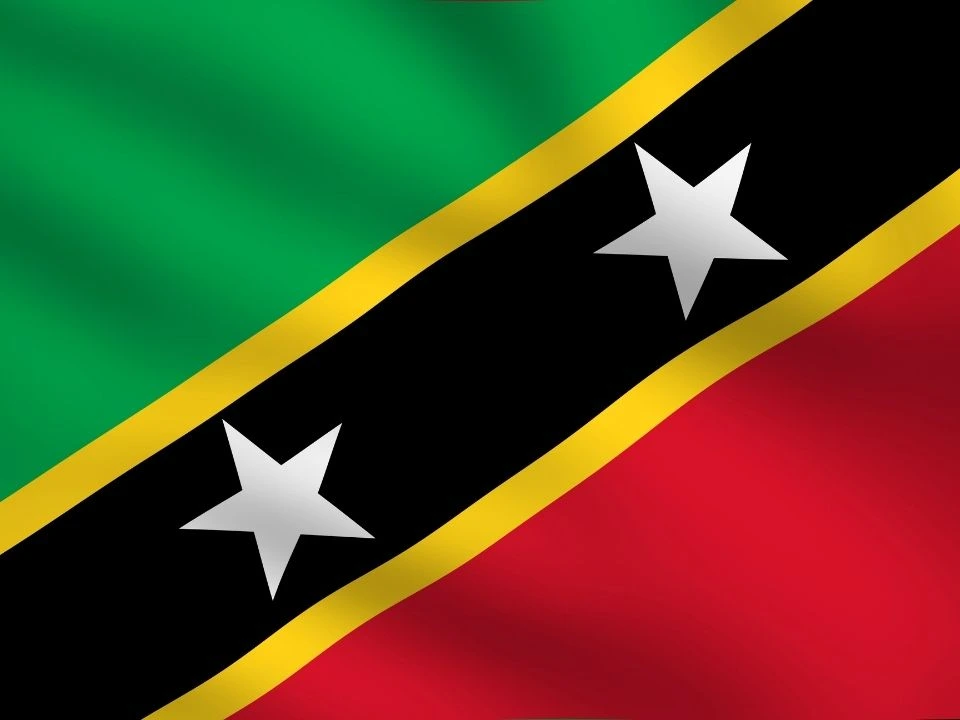
One vehicle, every form. Protection that adapts with you.

By: Adolfo González-Ruiz – Associate
The Nevis Multiform Foundation, governed by the Nevis Multiform Foundations Ordinance of 2004, is a legal structure that shares features of both a legal entity and a trust, given its flexibility to adopt or transform into different corporate forms. Together with the Nevis trust, the foundation is a robust corporate vehicle option for asset protection.
Asset Protection:
- No owners: contributed assets cease to belong to the founder and become part of an autonomous estate, beyond the reach of personal creditors.
- Non-recognition of foreign judgments: Nevis does not recognize rulings or court orders from other jurisdictions; the creditor must initiate a new lawsuit in Nevis.
- Procedural barriers to litigation: very short statutes of limitation (1 to 2 years) and a requirement for the plaintiff to post a bond of approximately US$100,000 before initiating proceedings.
Confidentiality:
- No public register of beneficiaries: the Memorandum of Establishment and internal bylaws are not publicly accessible.
- Protected corporate veil: the law does not allow piercing of the veil, preserving the privacy of the structure and its beneficiaries.
Structural Flexibility:
- One vehicle, multiple forms: it can operate as a pure foundation or adopt features of a company, partnership, or trust, and migrate between them without losing its legal personality or continuity.
- Redomiciliation: allows the continuation of foreign foundations or entities (e.g., Panama, Seychelles) into Nevis, and vice versa, as convenient.
- Simple governance: requires a registered agent and registered office in Nevis, a Foundation Council (management board), and a Secretary; members may be of any nationality and non-residents.
Bylaws:
- Private and confidential document: the bylaws are not registered and are not publicly accessible; they remain in the custody of the founder or the council.
- Content: the bylaws govern the beneficiaries, the foundation council, the procedure for distributing assets, amendment mechanisms, among other matters.
- Flexibility: the bylaws can be amended according to the mechanism stipulated in the corporate documents.
- Beneficiary instructions: the bylaws may include detailed provisions on how, when, and under what conditions distributions are made, including minimum ages, educational milestones, family events, or incentive clauses.
- 100% foreign participation: no nationality or residency restrictions for founders, councilors, or beneficiaries.
Estate and Succession Planning:
- Succession without forced heirship: the forced heirship rules of the founder’s jurisdiction do not apply to assets transferred to the foundation.
- Protector role: a protector may be appointed with oversight powers over the Council, including the removal of councilors and prior consent for significant acts.
Would you like to learn more about how this structure can protect your wealth? Reach out to us at bd@icazalaw.com.